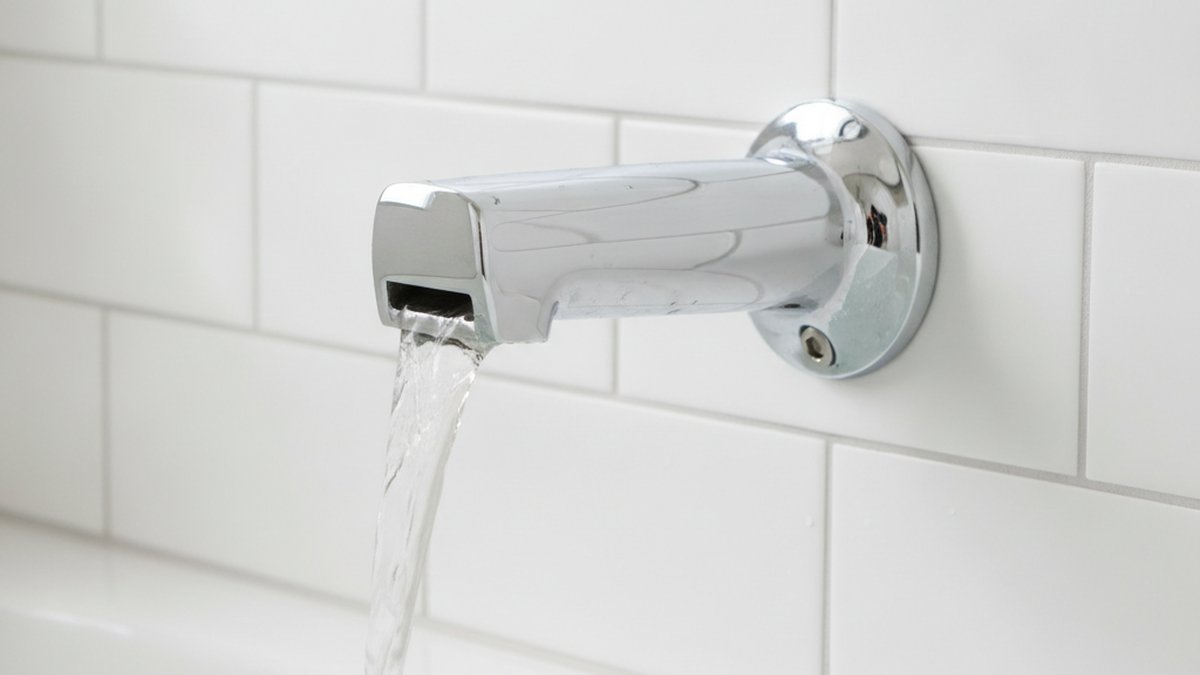
If you’ve been searching “tub spout ferguson,” you’re almost certainly standing in front of a bathtub with a worn, dripping, or dated spout and trying to figure out whether the local plumbing supply house is the smart place to buy the replacement. Ferguson is one of the largest plumbing distributors in North America, and yes, they stock tub spouts from Delta, Moen, Kohler, Pfister, and their own house lines — but the right question isn’t just “does Ferguson sell tub spouts,” it’s “which type do I actually need, and is Ferguson the best place to get it?” This guide answers both, plus the measuring and installation details that decide whether your new spout works on the first try.
At adeaga, we spend our days deep in faucet and bathtub fixture specs, so we’ll talk to you like a knowledgeable friend who’s replaced a hundred of these — not a sales page. Let’s get you the exact spout that fits.
Does Ferguson Actually Sell Tub Spouts — and What Kinds?
Yes — Ferguson carries a wide range of tub spouts, both in-store at their branch counters and online at ferguson.com, spanning slip-fit, threaded, diverter, and non-diverter styles from major brands. Because Ferguson serves professional plumbers as its core customer, its catalog leans toward genuine OEM replacement parts and full trim kits rather than the generic “universal” spouts you’d grab at a big-box store.
That’s the real advantage of buying a tub spout Ferguson stocks: if you have a Delta Monitor valve or a Moen Posi-Temp behind the wall, Ferguson can match the exact spout and finish that belongs with that system. The trade-off is price and minimums — Ferguson’s pricing is built for trade accounts, so a single spout can cost more than the same part online, and some items ship from a branch rather than a warehouse. Here are the main categories you’ll see:
- Slip-fit spouts — slide over a ½-inch copper pipe and lock with a small hex setscrew underneath. Most common in modern construction.
- Threaded spouts — screw onto a ½-inch IPS threaded galvanized or brass nipple. Common in older homes.
- Diverter spouts — have a lift-up knob on top that redirects water to the shower head. Required for tub/shower combos.
- Non-diverter spouts — plain tub-filler outlet, no shower. For soaking tubs or standalone bathtubs.
- Brand trim spouts — finish-matched pieces (matte black, brushed nickel, champagne bronze) that belong to a specific faucet collection.
Slip-Fit vs. Threaded: Which Tub Spout Do I Actually Have?
Look under the spout: if you see a tiny setscrew (usually a 5/64″ or 1/8″ hex/Allen), you have a slip-fit spout; if there’s no screw at all and the spout simply unscrews when you turn it counterclockwise, you have a threaded spout. Getting this wrong is the number-one reason a replacement doesn’t fit, so check before you buy anything from Ferguson or anywhere else.
The distinction matters because the two mount on completely different pipe stub-outs. A slip-fit spout needs a smooth ½” copper pipe of the correct length sticking out of the wall. A threaded spout needs a threaded nipple. Many modern spouts (including a lot of what Ferguson sells) are “universal” and ship with an adapter to handle both — but not all, so read the spec.
| Feature | Slip-Fit Tub Spout | Threaded Tub Spout |
|---|---|---|
| How it attaches | Slides over copper pipe, setscrew locks it | Screws onto ½” IPS nipple |
| Tell-tale sign | Setscrew under the spout | No screw; spout rotates off |
| Common in | Homes built/renovated after ~1995 | Older homes, galvanized plumbing |
| Critical measurement | Pipe length from wall (or CC depth) | Nipple length + thread condition |
| Ease of DIY swap | Very easy — hex key only | Easy, but may need plumber’s tape & wrench |
| Leak risk if wrong | Loose fit sprays behind wall | Cross-threading leaks at base |
How Do I Measure So the Tub Spout Actually Fits?
For a slip-fit spout, measure the exact length of the copper pipe sticking out of the finished wall; for a threaded spout, measure the “CC” (center-to-center is not it — you want the distance from the wall to the end of the nipple) and note the thread size, which is almost always ½” IPS. This one measurement decides everything, because a slip-fit spout is sized to cover a specific pipe length and seat against the wall.
Here’s the reliable way to do it:
- Remove the old spout (setscrew out and pull, or unscrew counterclockwise).
- For slip-fit: measure from the finished wall surface to the very end of the copper pipe. Common lengths are around 3.75″ to 4.5″. Buy a spout whose “pipe length” spec matches, or buy an adjustable/”universal” slip-fit that trims to fit.
- For threaded: check that the nipple threads are clean and not corroded. Measure how far the nipple protrudes so the new spout seats flush against the wall.
- Note your finish (chrome, brushed nickel, matte black, oil-rubbed bronze) so it matches your existing shower trim.
If your old spout was leaking rather than just ugly, take a minute to diagnose why before you swap it — sometimes the spout is fine and the real issue is a worn diverter or a valve cartridge behind the wall. Our guide on why a tub spout keeps dripping water walks through that, and if water pours from the spout while the shower is running, the culprit is usually the diverter — covered in our piece on a bathroom tub faucet leaking when the shower is on.
Should I Buy From Ferguson or Order Online Instead?
Buy from Ferguson when you need a guaranteed OEM brand match, expert counter advice, or a specific designer finish in a hurry; order online when you want the lowest price on a standard chrome or brushed-nickel spout and you already know exactly what you need. For a plain replacement, online is usually cheaper; for a matched trim piece on a premium valve, Ferguson’s genuine-parts depth is hard to beat.
Think about it in terms of your actual scenario:
| Your situation | Best place to buy | Why |
|---|---|---|
| Plain chrome slip-fit, tub/shower combo | Online / big-box | Commodity part, lowest price |
| Delta/Moen/Kohler finish-matched trim | Ferguson | Genuine OEM, exact finish codes |
| Not sure what you have | Ferguson counter | Bring the old part; staff IDs it |
| Matte black or specialty finish soaking-tub filler | Ferguson or specialty retailer | Better finish selection |
| Tight budget, standard part | Online | Frequent discounts, free shipping |
One insider tip: if you go to a Ferguson branch, bring the old spout with you. The counter pros can match it in seconds, confirm slip-fit vs. threaded, and pull the right adapter — which saves you a second trip. And if your project is a standalone soaking tub rather than a tub/shower combo, you’re really shopping for a tub filler, not a wall spout; our guide on choosing the right freestanding tub faucet and drain is the better starting point there.
How Do I Install a Tub Spout Myself?
Most tub spouts install in under 15 minutes with no plumber: for slip-fit, slide the spout onto the copper pipe until it meets the wall and tighten the setscrew; for threaded, wrap the nipple threads with plumber’s tape and hand-thread the spout on until snug and pointing down. No water shutoff is needed for a slip-fit swap since you’re not touching the valve.
Here’s the full sequence:
- Remove the old spout. Slip-fit: loosen the setscrew and pull straight off. Threaded: turn counterclockwise (use a cloth-wrapped pipe wrench if stuck).
- Clean the pipe or nipple. Wipe off old plumber’s tape, mineral scale, and grime so the new spout seats cleanly.
- Slip-fit install: Check that the internal O-ring or rubber gasket is present, slide the spout on, press it flush to the wall, and tighten the setscrew snugly (don’t overtighten and crack it).
- Threaded install: Wrap 3–4 turns of plumber’s tape clockwise on the nipple, thread the spout on by hand, then give it a final quarter-turn so it points straight down.
- Test. Run the tub, check for leaks at the wall, and if it’s a diverter spout, lift the knob to confirm water routes to the shower head with no dribble from the spout.
If the diverter dribbles afterward, the spout’s diverter seal is likely the issue — those are cheap to replace and, honestly, a good reason to buy a quality spout in the first place. For a broader look at how the spout fits into the rest of your shower valve trim, our overview of shower faucet fittings explains which pieces work together.
What Finishes and Materials Should I Look For?
For durability, choose a solid brass or die-cast zinc spout over thin stamped metal or plastic, and match the finish exactly to your existing shower trim using the brand’s finish code (like Delta’s “SS” for stainless or Moen’s “BL” for matte black). Finish mismatches are the most common regret, because “brushed nickel” from two brands rarely looks identical side by side.
A quick rundown of what holds up:
- Solid brass: heaviest, most corrosion-resistant, best for hard water. Premium price.
- Die-cast zinc (with good plating): the mainstream sweet spot — durable and affordable.
- Chrome-plated: easiest to clean, hides water spots reasonably, timeless.
- Matte black / brushed finishes: on-trend, but show dust and require gentler cleaning.
- Plastic-bodied spouts: avoid unless it’s a stopgap — they crack at the setscrew.
If you’re leaning toward a dramatic look, matte black tub and shower fixtures have stayed popular into 2026 — just be consistent across the whole bathroom. Hard water will also dull any finish over time, so a periodic descale keeps it looking new.
Author Note, Brand Credibility & Standards
This guide was written by the adeaga fixtures team — we design, source, and pressure-test faucets, tub spouts, and shower trim for everyday households, and we handle enough warranty replacements to know exactly where cheap spouts fail. When we recommend solid brass or an OEM finish match, it’s because we’ve seen the alternatives crack, spray behind the wall, or corrode within a year.
A word on standards: quality tub spouts sold in North America should meet ASME A112.18.1 / CSA B125.1 for plumbing fittings and comply with the low-lead requirements of the U.S. Safe Drinking Water Act (“lead-free” brass). Reputable brands back their spouts with limited lifetime warranties on finish and function — always keep your receipt, because warranty claims (whether you buy from Ferguson or elsewhere) require proof of purchase. Before buying, confirm the spout you choose lists these certifications and a clear warranty term.
FAQ
Does Ferguson sell tub spouts to the general public, or just plumbers?
Ferguson sells to the general public both online at ferguson.com and at most branch counters, though its pricing and inventory are geared toward trade accounts. Anyone can walk in, bring an old part for matching, and buy a single tub spout — you just may find standard models cheaper online.
How do I know if I need a diverter tub spout?
You need a diverter spout if your bathtub also has a shower head fed from the same valve — the lift knob on top sends water up to the shower. If your tub is a standalone soaker with no shower, buy a non-diverter (plain) spout, which is quieter and less prone to dripping.
Are tub spouts universal, or do I need a brand-specific one?
Many tub spouts are “universal” and include adapters for both slip-fit and threaded connections, but finish-matched trim spouts are brand-specific. If you want the spout to match a Delta, Moen, or Kohler shower valve exactly, buy that brand’s spout — the plumbing may fit, but a generic finish won’t match perfectly.
Can I replace a tub spout without turning off the water?
For a slip-fit or threaded spout swap, you generally don’t need to shut off the water because you’re only working on the spout, not the valve. Just make sure the tub faucet is turned off. If you’re touching the valve cartridge or diverter behind the wall, then yes, shut off the supply.
Why does my new tub spout still leak after installation?
The most common causes are a missing or pinched O-ring on a slip-fit spout, insufficient plumber’s tape on a threaded connection, or a worn diverter seal inside the spout. Re-seat the spout, check the gasket, and confirm it sits flush to the wall — if water still drips from the spout while the shower runs, the diverter itself is failing.
How long should a tub spout last?
A quality solid-brass or die-cast tub spout typically lasts 10–15 years or more; the finish usually degrades before the body does, especially in hard-water areas. Diverter mechanisms wear faster because of their moving parts, so a diverter spout in a heavily used shower may need replacing sooner.