Here is the complete, publish-ready HTML article:
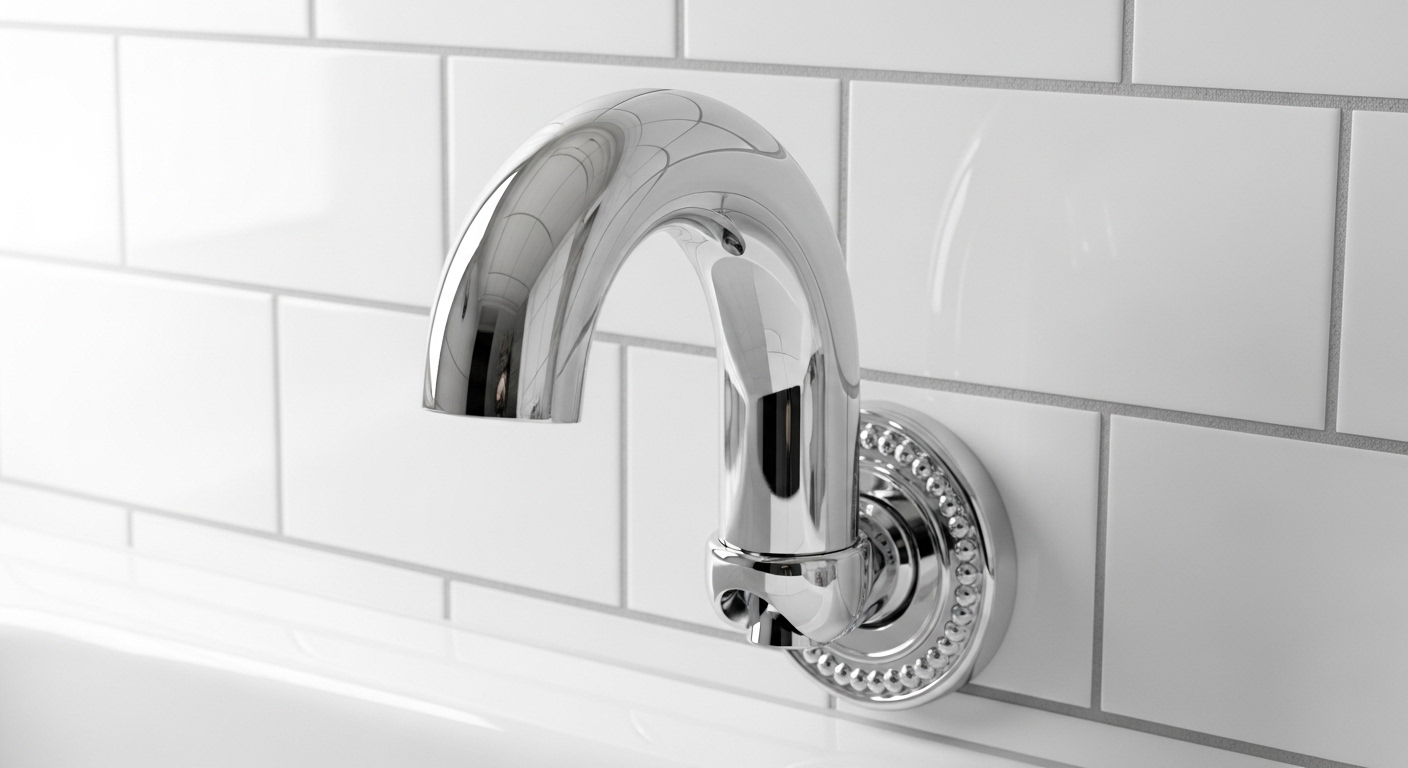
If you’ve ever looked at your bathtub and noticed an ugly gap, a chipped tile edge, or raw pipe peeking out where the spout meets the wall, a tub spout beauty ring is almost certainly what you’re missing. It’s one of those tiny plumbing-trim parts nobody thinks about until the spout is installed and the wall behind it looks unfinished. The good news: it’s cheap, it’s easy, and you can usually fix the problem in ten minutes without a plumber.
At adeaga, we’ve shipped tub and shower trim to thousands of homeowners and remodelers, and the beauty ring is one of the most common “oh, I forgot that piece” questions we get. So let’s answer the real questions people ask — what it is, when you need one, how to pick the right size and finish, and how to install it so it actually stays put.
What exactly is a tub spout beauty ring, and why does it exist?
A tub spout beauty ring is a thin, flat or slightly domed metal (or plastic) collar that fits around the supply pipe or the back of the spout, right where it touches the wall. Its whole job is cosmetic and protective: it covers the rough hole in the tile or surround, hides the gap between the spout and an uneven wall, and keeps splashing water from running back into the wall cavity.
Plumbers also call it an escutcheon ring, a trim ring, or a flange. On a tub spout specifically, “beauty ring” is the term you’ll see most on product listings because its main purpose is to make the install look clean — beautiful, hence the name. Without one, you’re staring at a drilled hole, a copper or PEX stub-out, or a halo of construction adhesive around the spout base.
There are two broad situations where the ring lives:
- Slip-on (front-mount) spouts: the ring slides onto the copper pipe first, then the spout slides over the pipe and is locked with a setscrew underneath. The ring sits between the wall and the back of the spout.
- Threaded (rear-mount) spouts: the spout screws onto a threaded nipple. The beauty ring threads or slips on behind it to dress the connection and seal against splash.
Do I really need a beauty ring, or can I skip it?
You need one whenever the back of your tub spout does not sit perfectly flush and clean against a finished wall — which is most of the time. If your spout already presses tight against smooth tile with no visible hole, you can technically skip it, but you lose the splash barrier that keeps water out of the wall.
Here’s the honest breakdown. Skip it only if all three are true: the wall is smooth and finished, the spout base fully covers the pipe cutout, and there’s no visible gap. In every other case — a slightly oversized hole, a spout base smaller than the cutout, a textured or uneven surround, or a drafty gap — the ring earns its keep. Water that sneaks behind the spout is the silent cause of a lot of mold and rotted backer board, so the splash-seal function is more than cosmetic.
What happens if I don’t use one?
Three things, usually. First, it looks unfinished — the raw cutout and pipe are visible. Second, splash water and humidity get behind the spout and into the wall cavity, where over months it can swell drywall, corrode the pipe connection, and feed mold. Third, on exterior walls you get a small cold draft. None of these are emergencies, but all are avoidable with a part that costs less than a sandwich.
How do I know what size beauty ring to buy?
Measure the outside diameter of your tub spout’s base and the diameter of the hole in your wall — your ring needs to be wider than the hole but no wider than the spout base. Most tub spout beauty rings have an inside diameter sized for either 1/2-inch or 3/4-inch pipe and an outside diameter between 1.5 and 2.5 inches.
To get it right the first time, grab a tape measure and note three numbers:
- Pipe size: the diameter of the copper or threaded nipple the ring slips over — typically 1/2″ nominal (about 5/8″ actual outside) or 3/4″.
- Wall hole diameter: how big the cutout is. The ring’s outer edge must comfortably overlap this.
- Spout base diameter: the ring should hide behind the spout, so its outside diameter should be equal to or slightly smaller than the spout’s back collar.
If you’re matching an existing spout, the cleanest move is to buy the beauty ring from the same line or brand as the spout so the curve and finish line up. A mismatched ring that’s a hair too big will peek out past the spout and look worse than no ring at all.
Which finish should I pick — and will it match my spout?
Pick the beauty ring in the exact same finish family as your tub spout and shower trim, because even a “close” mismatch reads as a mistake under bathroom lighting. The four most common finishes are polished chrome, brushed nickel, matte black, and oil-rubbed bronze, and they do not cross-substitute well.
Finish matters more than people expect because the ring sits inches from the spout in direct sightline. Here’s how the common options compare for a tub spout setting:
| Finish | Best for | Hides water spots? | Typical price (ring only) |
|---|---|---|---|
| Polished chrome | Classic, bright bathrooms; easiest to match | No — shows spots | $4–$10 |
| Brushed nickel | Warm, neutral, low-maintenance | Yes — best at hiding spots | $6–$14 |
| Matte black | Modern, high-contrast looks | Mostly — shows hard-water film | $8–$18 |
| Oil-rubbed bronze | Traditional, rustic, vintage baths | Yes — patina forgives a lot | $8–$20 |
If you’re building out a whole bathroom in a darker finish, it’s worth reading our deep dive on whether a matte black PVD faucet is worth it in 2026 before you commit — the PVD coating question applies to trim rings too, since a PVD-coated ring resists scratching and fading far better than a painted one. And if you’re leaning traditional, our guide to oil-rubbed bronze fixtures covers how that living finish ages so your ring and spout patina together rather than apart.
How do I install a tub spout beauty ring myself?
Installing a beauty ring takes about ten minutes and no special tools — you slide the ring onto the pipe before you mount the spout, then seat the spout against it. If your spout is already on, you’ll back the spout off first, add the ring, and reattach. Here’s the full sequence for a standard slip-on spout.
- Turn off the water if you’re fully removing the spout (not strictly required for a slip-on, but smart).
- Remove the existing spout. For a slip-on, loosen the setscrew on the underside with an Allen/hex key and pull the spout straight off. For a threaded spout, twist it counterclockwise.
- Clean the wall. Wipe away old caulk, mineral crust, and debris around the cutout so the ring seats flat.
- Slide the beauty ring onto the pipe (slip-on) or thread it onto the nipple (threaded), open side facing the wall so it cups against the tile.
- Run a thin bead of clear silicone around the top and sides of the wall opening — leave the bottom open so any trapped water can drain out instead of pooling inside the wall.
- Reinstall the spout, pressing it back so it sandwiches the ring against the wall. Retighten the setscrew or hand-tighten the threads, then snug with a cloth-wrapped wrench.
- Wipe excess silicone and let it cure per the tube (usually 24 hours before heavy use).
That clear-silicone-but-leave-the-bottom-open trick is the detail most DIYers miss. It’s a standard plumbing practice that lets the wall cavity breathe and drain, which is exactly what prevents the hidden water damage we talked about earlier.
What tools do I need?
Almost nothing: an Allen/hex key set (for the setscrew), a tube of clear silicone caulk, a rag, and maybe an adjustable wrench wrapped in cloth for threaded spouts. No soldering, no special plumbing license. If your spout or its connection is corroded or leaking at the wall, that’s a bigger repair — and our walkthrough on tub faucet repair covers what to do when the problem is more than just trim. Similarly, if you find the spout itself spins or won’t tighten, the same logic in our guide on a loose faucet handle applies to a wobbly spout connection.
Why does my beauty ring keep falling off or spinning?
A beauty ring that won’t stay put almost always means it isn’t being held captive between the spout and the wall — either the spout sits too far off the wall, or the ring’s inside diameter is too large for the pipe. The ring isn’t meant to grip on its own; the spout is supposed to pin it in place.
Run through these causes in order:
- Pipe stub is too long, so the spout bottoms out before it reaches the wall and never clamps the ring. Fix: shorten the pipe or use a deeper spout.
- Ring inside diameter too big for the pipe, so it rattles. Fix: get a ring sized to your exact pipe (1/2″ vs 3/4″).
- No friction or seal. A dab of silicone or plumber’s putty behind the ring holds it while still allowing removal later.
- Wrong style of ring for your mount — a threaded ring on a slip-on pipe won’t seat. Match the ring type to the spout type.
Are tub spout beauty rings universal, or brand-specific?
They’re mostly semi-universal by pipe size, but the finish and curve are brand-specific. A 1/2″ slip-on ring will physically fit most 1/2″ copper stub-outs, but whether it looks right depends on matching the diameter and finish to your particular spout. When in doubt, buy the ring as part of the spout’s trim kit.
Quality varies more than the low price suggests. Cheap stamped-zinc or chrome-plated plastic rings can flex, crack, or lose their plating within a year in a wet environment. Solid brass rings with a quality plated or PVD finish hold up for the life of the bathroom. At adeaga, our trim rings are tested against standard salt-spray corrosion exposure and backed by our fixtures warranty, because a $6 part that fails and lets water into your wall isn’t actually cheap — it’s expensive on a delay.
FAQ
Is a beauty ring the same as an escutcheon?
Essentially yes. “Escutcheon,” “trim ring,” “flange,” and “beauty ring” all describe a decorative cover plate or collar that hides the hole where a pipe or fixture meets the wall. On a tub spout specifically, most retailers label the small round collar a “beauty ring.” Larger flat plates behind a faucet handle or shower arm are more often called escutcheons.
How much does a tub spout beauty ring cost?
Most run $4 to $20 on their own, depending on finish and material. Chrome plastic rings sit at the bottom of that range; solid brass rings in brushed nickel, matte black, or oil-rubbed bronze land toward the top. If you’re buying a full tub spout, the ring is often included in the box at no extra cost.
Can I install a beauty ring without removing the tub spout?
Usually no — for slip-on and threaded spouts the ring has to go on the pipe behind the spout, so you have to back the spout off to add it. The exception is a two-piece “split” trim ring designed to clip around the pipe after the fact; those exist but are less common and less secure. For a clean, lasting result, take the spout off and do it properly.
Will any beauty ring fit my tub spout?
Only if the pipe size and ring style match. Confirm your stub-out is 1/2″ or 3/4″ and whether your spout is slip-on or threaded, then match the ring’s inside diameter and finish. A ring that’s too large in diameter will peek out past the spout and look wrong even though it “fits” the pipe, so match the outside diameter to the spout base too.
Do I need to caulk around a tub spout beauty ring?
A thin bead of clear silicone around the top and sides is recommended to block splash water, but leave the very bottom uncaulked so any water that does get behind the wall can drain out and the cavity can dry. Never seal the ring all the way around — a fully sealed ring can trap water inside the wall, which is worse than no caulk at all.
What’s the difference between a beauty ring and a deep escutcheon?
A beauty ring is flat or shallow and dresses the spout-to-wall joint. A deep (or “extended”) escutcheon has a cup or sleeve that reaches into the wall to cover a longer pipe stub or a recessed opening. If your pipe sticks out far or your cutout is deep, a deep escutcheon hides more than a flat ring can.
About the author: This guide was written by the adeaga fixtures editorial team, drawing on hands-on installation feedback from our plumbing-supply specialists and field reports from the contractors who buy our tub and shower trim. adeaga designs and supplies faucets, shower systems, and bath fixtures built to ASME/ANSI plumbing-trim standards, salt-spray corrosion tested, and backed by our limited fixtures warranty — so the small parts last as long as the big ones.